Eternal Limbo by Rula Zein-Iddin
~~~~~~~~~~~~~~~~~~~~~~~~~~~~~~~~~~~~~~~~~~~~~~~~~~

A crumbling, dismal shantytown
A shambolic hovel of bricks and refuse
A forgotten, nay, forsaken people
Struggling to survive in a jungle of aging asbestos
Leaking pipes, broken walls
Flimsy zinko rooftops
Corroded metal doors
Absent floors
They call this health hazard, "home"
They had little choice seventy years ago
Displaced not once but twice
Double the loss, double the sacrifice then
Options practically nonexistent now
It is bleak
It is dirty
Fragrant cooking aromas
Clash with offensively putrid air
Children roam unattended
Seemingly carefree and oblivious
Cheeky comments, intelligent banter
Radiant smiles not quite reaching their weary eyes
Flashes of commotion
As a few lash out
But mostly free
Blissfully unaware,
At least for now
Quickly the narrow streets brimful
A steady stream of school-boys
Heavy bags eerily replicating coming burdens
Heading home, the afternoon shift complete
The schools barely take a breath
Awaiting the third shift of the day with despair
Caged in classrooms filled beyond capacity
What determined magician can think, let alone teach here?
Limited land, scarce resources
Infrastructure bursting at the seams
Dark, dank corridors of sheer hopelessness
"We would rather learn than eat" they say
Education is the fuel for our souls
Food is a secondary need
Studying voraciously is our way out
Third generation refugees
Eleven thousand over fifty years
Yield thirty thousand
Bleak mathematics
Cramped on the same piece of limited land
How can they fathom what was lost?
This is all they know
For some, it is all they will ever know
A few make it out
But forever remain connected
They live outside the borders of the camp
They never forget those they left behind
An incredible sense of selflessness
An overwhelming drive to make a difference
They have found a way to make a living
Against all odds
True survivors
Silent heroes
Why them and not us?
How to appease an uneasy conscience?
The cards could so easily have been dealt differently.
Refugees from a place that remains incarcerated
Neighbours living in an open air prison
Bombed, mentally and physically abused
Robbed of the most elemental human rights
A forgotten cause
An oppressively, dispossessed people
Humanity brutally stripped bare
Are they more free here?
Two sides of the same tarnished coin.
Which would you choose?
How do you live your life when there are so few choices available to you?
How do you make ends meet when so many opportunities are denied you?
How do you have a sense of self-worth when so many deny your existence?
How can you have the willpower to go on when the world has forgotten you?
The sense of community, is palpable
The generosity of those with so little, is humbling
Genuine invitations to share a meal are called out
Open arms proudly welcome you into dimly lit abodes
Their shared upbringing makes them stand united
Their hope for a better future is beyond inspiring
It blinds you.
For fleeting seconds you believe it is possible.
They believe in a better tomorrow
They are adamant that they will return
But to what? And where? And when?
And who can deny them hope when that is all they have got.
~~~~~~~~~~~~~~~~~~
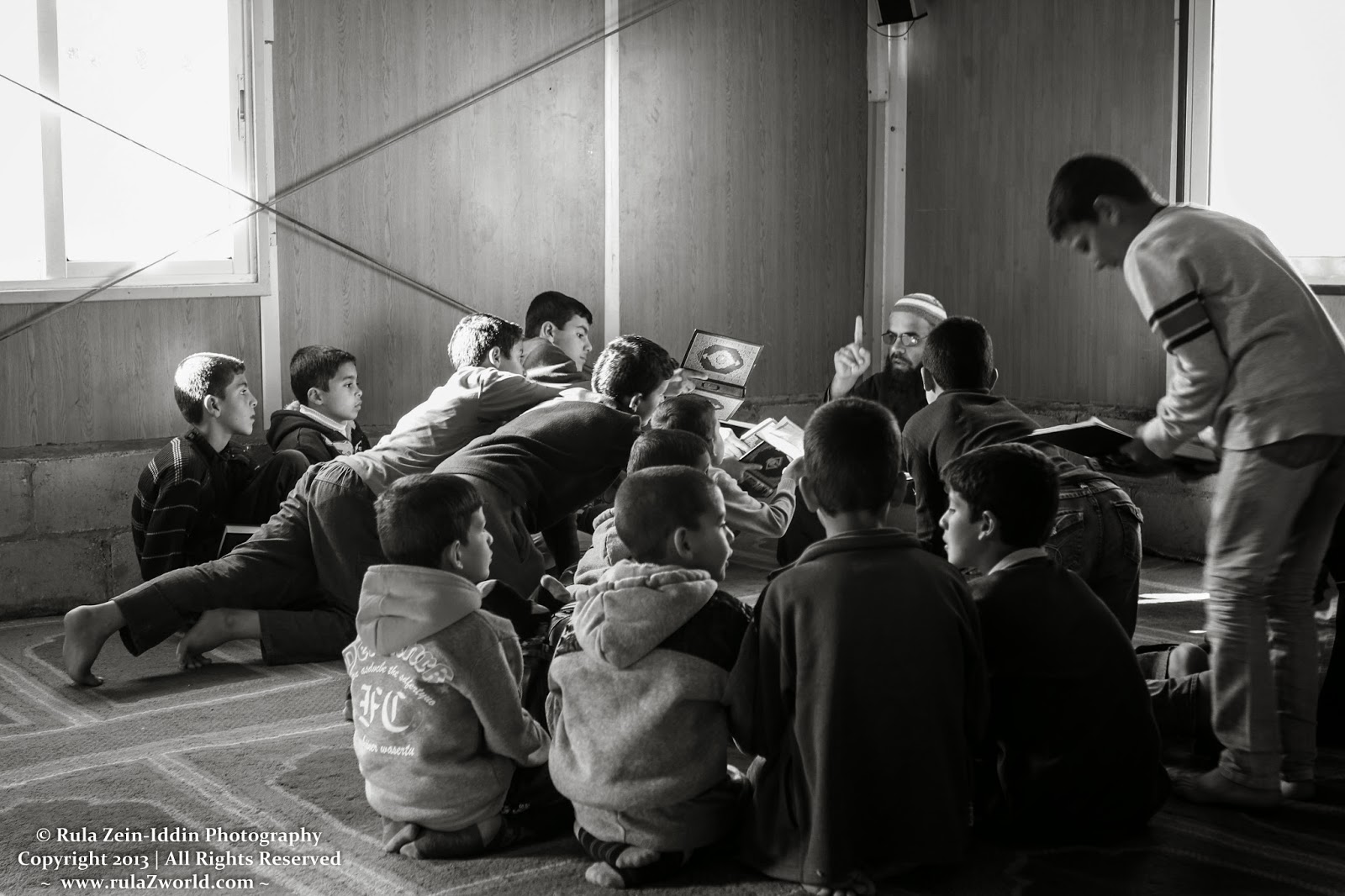
The Gaza refugee camp in Jerash, Jordan is home to nearly 34,000 Palestinian refugees who fled from Gaza, Palestine in 1948 and 1967. The photos above provide a glimpse into the living conditions many of these refugees have had to contend with given the lack of political, social, and economic options at their disposal.
~~~~~~~~~~~~~~~~~~~~~~~~~~~~~~~~~~~~~~~~~~~~~~~~~~

A crumbling, dismal shantytown
A shambolic hovel of bricks and refuse
A forgotten, nay, forsaken people
Struggling to survive in a jungle of aging asbestos
Leaking pipes, broken walls
Flimsy zinko rooftops
Corroded metal doors
Absent floors
They call this health hazard, "home"
They had little choice seventy years ago
Displaced not once but twice
Double the loss, double the sacrifice then
Options practically nonexistent now
It is bleak
It is dirty
Fragrant cooking aromas
Clash with offensively putrid air
Children roam unattended
Seemingly carefree and oblivious
Cheeky comments, intelligent banter
Radiant smiles not quite reaching their weary eyes
Flashes of commotion
As a few lash out
But mostly free
Blissfully unaware,
At least for now
Quickly the narrow streets brimful
A steady stream of school-boys
Heavy bags eerily replicating coming burdens
Heading home, the afternoon shift complete
The schools barely take a breath
Awaiting the third shift of the day with despair
Caged in classrooms filled beyond capacity
What determined magician can think, let alone teach here?
Limited land, scarce resources
Infrastructure bursting at the seams
Dark, dank corridors of sheer hopelessness
"We would rather learn than eat" they say
Education is the fuel for our souls
Food is a secondary need
Studying voraciously is our way out
Third generation refugees
Eleven thousand over fifty years
Yield thirty thousand
Bleak mathematics
Cramped on the same piece of limited land
How can they fathom what was lost?
This is all they know
For some, it is all they will ever know
A few make it out
But forever remain connected
They live outside the borders of the camp
They never forget those they left behind
An incredible sense of selflessness
An overwhelming drive to make a difference
They have found a way to make a living
Against all odds
True survivors
Silent heroes
Why them and not us?
How to appease an uneasy conscience?
The cards could so easily have been dealt differently.
Refugees from a place that remains incarcerated
Neighbours living in an open air prison
Bombed, mentally and physically abused
Robbed of the most elemental human rights
A forgotten cause
An oppressively, dispossessed people
Humanity brutally stripped bare
Are they more free here?
Two sides of the same tarnished coin.
Which would you choose?
How do you live your life when there are so few choices available to you?
How do you make ends meet when so many opportunities are denied you?
How do you have a sense of self-worth when so many deny your existence?
How can you have the willpower to go on when the world has forgotten you?
The sense of community, is palpable
The generosity of those with so little, is humbling
Genuine invitations to share a meal are called out
Open arms proudly welcome you into dimly lit abodes
Their shared upbringing makes them stand united
Their hope for a better future is beyond inspiring
It blinds you.
For fleeting seconds you believe it is possible.
They believe in a better tomorrow
They are adamant that they will return
But to what? And where? And when?
And who can deny them hope when that is all they have got.
~~~~~~~~~~~~~~~~~~
The Gaza refugee camp in Jerash, Jordan is home to nearly 34,000 Palestinian refugees who fled from Gaza, Palestine in 1948 and 1967. The photos above provide a glimpse into the living conditions many of these refugees have had to contend with given the lack of political, social, and economic options at their disposal.